

 EN
EN
 English
 русский
 Español
How do I tell if my AC evaporator is faulty?
1. Basic Working Principle of an Evaporator
Heat Exchange Core: The refrigerant inside the evaporator absorbs heat and evaporates under low pressure, cooling the air blown out by the fan, thus achieving indoor cooling.
Structural Components: Includes heat dissipation fins, refrigerant piping, fan, and casing. These three components work together to ensure efficient heat exchange and air circulation.
Operating Conditions: The refrigerant must maintain appropriate pressure and temperature, the fin surface must be kept clean, and the fan speed must be stable to ensure cooling effect.
Key Indicators: Evaporation temperature, outlet air temperature, fan current, and noise level are direct parameters for judging its operating status.
2. Common Methods for Determining Evaporator Damage
Visual Inspection: Observe the casing, fan cover, and bracket for cracks, deformation, rust, or obvious dirt; check for blocked or frosted fins.
Sound and Vibration: Abnormal noise, fan not rotating, or uneven speed during operation may indicate a faulty motor, bearing, or capacitor.
Cooling Performance Comparison: A significant decrease in actual cooling effect and an outlet air temperature higher than the normal range often indicate impaired heat exchange efficiency.
Pressure and Temperature Testing: Use a pressure gauge or thermometer to test the refrigerant's working pressure and evaporation temperature. Abnormal deviations suggest leaks or internal blockages.
3. Key Observation Points Based on Image Analysis (Regarding the provided evaporator image):
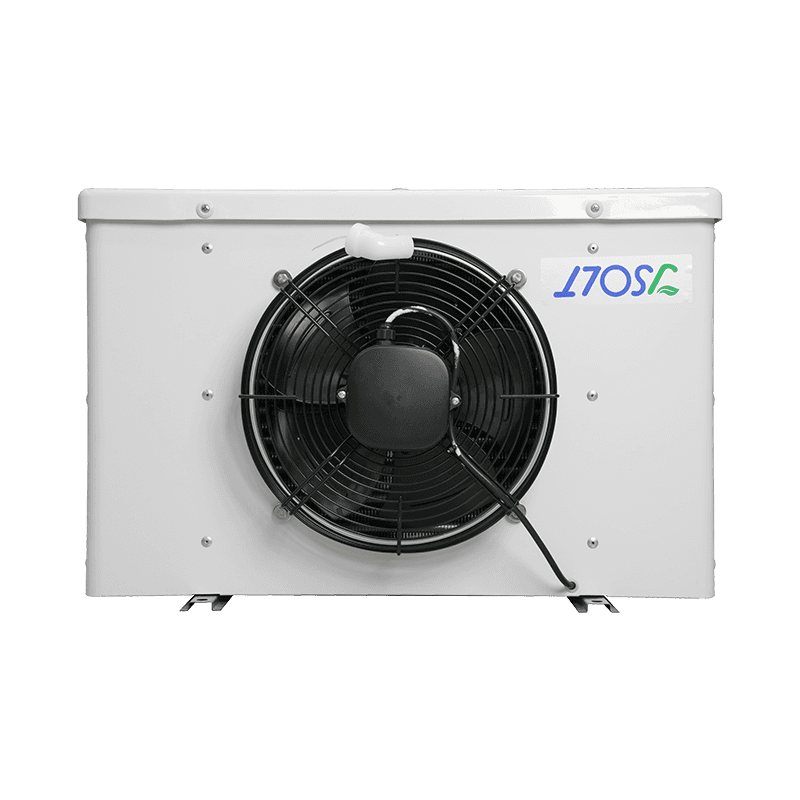
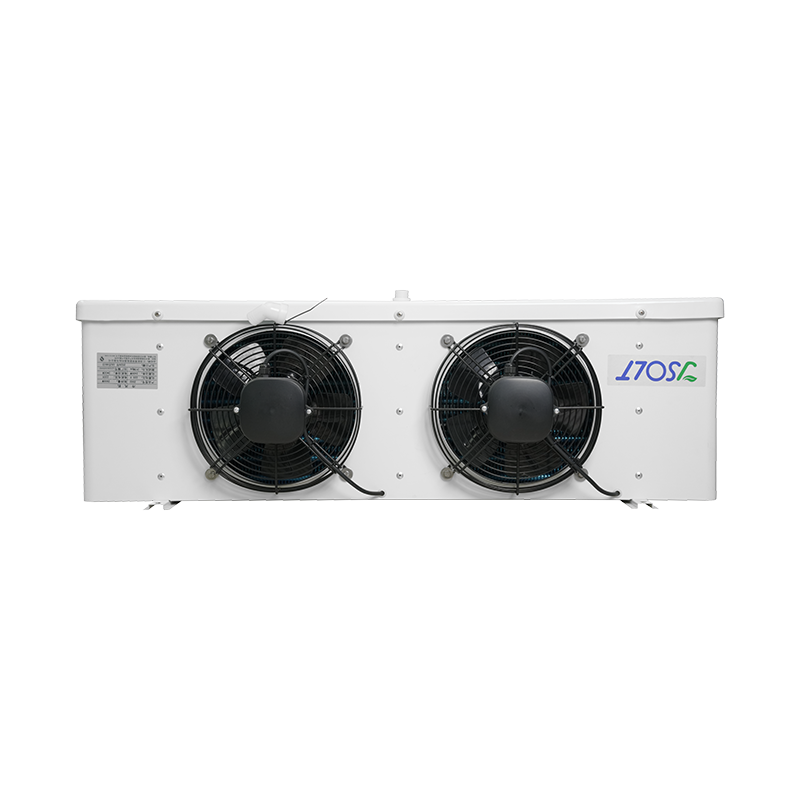
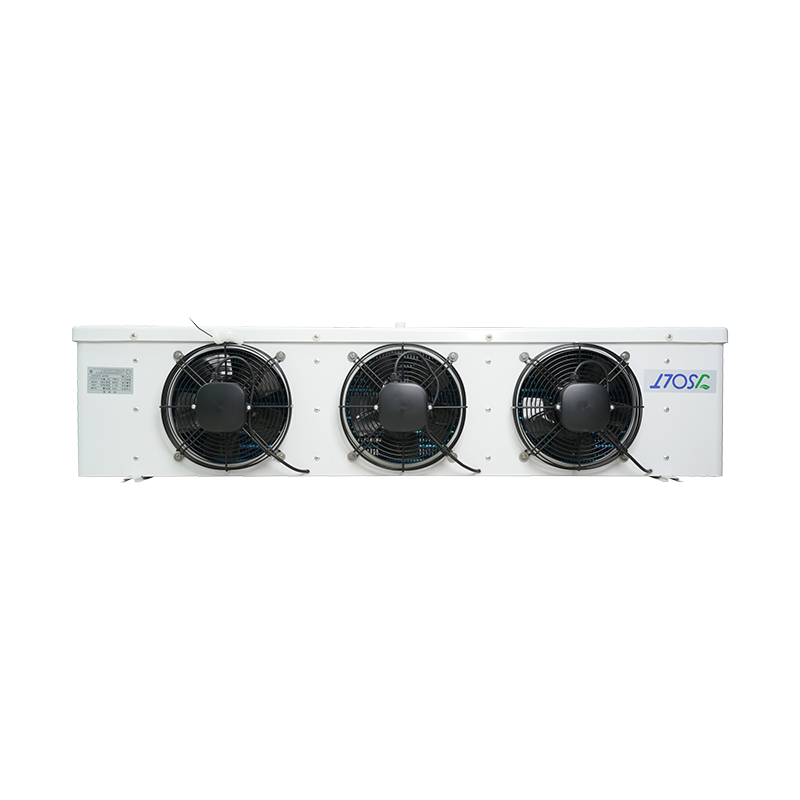
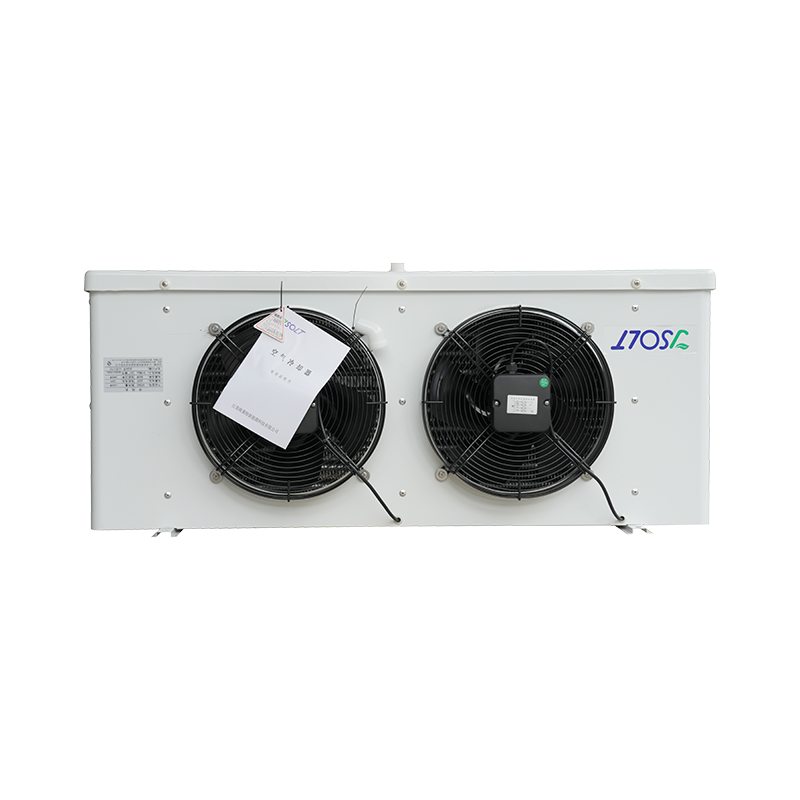
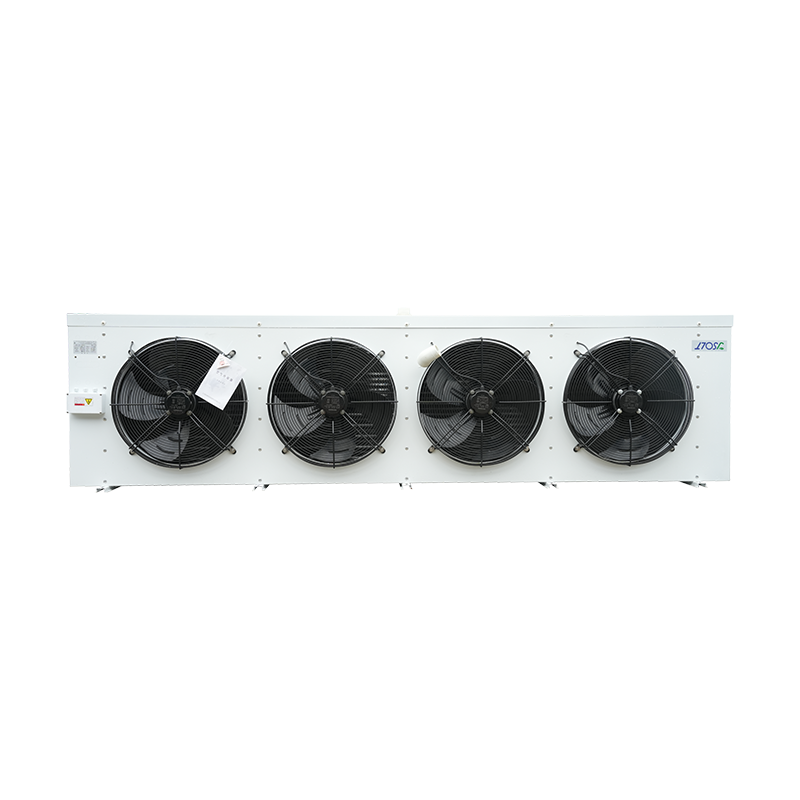
Fan Status: All four fan covers are intact, and the blades show no deformation or dust accumulation, indicating a complete fan structure.
Casing Integrity: The white casing is free of cracks, dents, or rust, and the support is stable, indicating that the overall structure has not suffered physical damage.
Finals and Heat Dissipation Surface: Although the image does not clearly show details, the overall surface is smooth, without obvious oil stains or dust accumulation, suggesting that the heat dissipation surface is in good condition.
Refrigerant Piping and Electrical Connections: The image does not show the piping and junction box, making it impossible to directly determine leaks or electrical faults. On-site pressure or electrical testing is required.
related products

-
 224 Yongping Road, Science and Technology Enterpreneurship Park, Gaogang District, Taizhou City, Jiangsu Province
  +86-18082061600
 [email protected]

Copyright © 2024 Taizhou Best Refrigeration Equipment Manufacturing Co., Ltd All Rights Reserved. Refrigeration Equipment Manufacturer Custom Refrigeration Equipment Factory
